
The James: Florence’s Rising Restaurant Sensation
A newcomer swiftly earning recognition on the city’s refined culinary map.
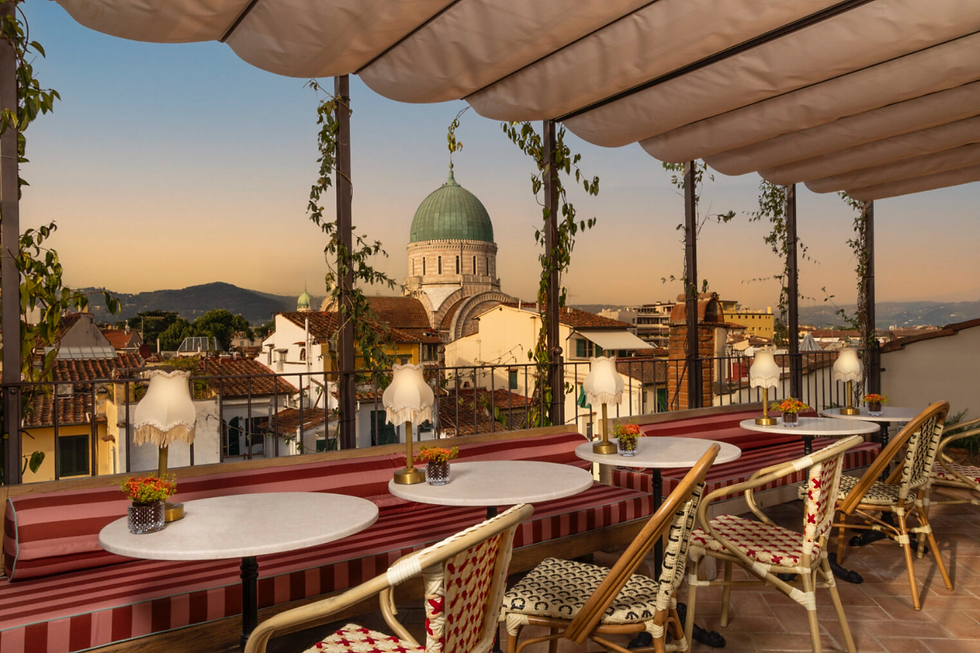
Florence enchants with its Renaissance magnificence and, frankly, its excellent cuisine. Nestled among ancient cobblestones and mediaeval facades, the city offers Tuscan food that varies from modest trattorias to sophisticated dining establishments. However, there is a restaurant that has recently generated significant attention. The James, a member of the Manfredi Hotels portfolio, has become the destination for discerning eaters. Upon entering, one is instantly captivated by its exquisite design. The area functions effectively. Each component, from the intimate table settings to the inviting, flattering illumination, cultivates an undeniable ambiance of casual elegance that appears genuine rather than contrived.
What specifically distinguishes The James as potentially the premier restaurant in Florence? It is their steadfast commitment to the culinary offerings. The kitchen honours seasonal abundance from local farmers, upholding Tuscan traditions while rejecting constraints imposed by them. Conventional recipes receive nuanced modern adaptations. The outcome? Plates that pay homage to Italy’s gastronomic heritage while avoiding a sense of antiquity. For culinary aficionados seeking to evade tourist traps and encounter something truly exceptional, The James merits a position at the pinnacle of your list.
Geographic Enchantment and Design Excellence
The location can determine the success or failure of a restaurant, and The James excelled in this aspect. Situated in Florence's historic centre, it immerses diners in the vibrant core of the city's cultural vitality. Situated in close proximity to the Duomo and Ponte Vecchio, dining here enhances your overall Florentine experience. The interior design elegantly embodies this essence—sleek architectural lines harmonise with opulent woods and understated Renaissance elements. Elevated ceilings and ample windows inundate the area with natural light, fostering an ambiance that is simultaneously expansive and intimate—distinctly contemporary yet historically grounded.
The brilliance of the design transcends mere aesthetics. Consider the acoustics, for instance. In contrast to most fashionable venues where dialogue necessitates raising one's voice, The James was meticulously designed to facilitate audible communication among friends. This is of greater significance than you may realise. Recent data from the Italian National Institute of Statistics indicates that Florence received more than 10 million tourists last year, with many pursuing luxury experiences. Establishments such as The James must reconcile exclusivity with hospitality. What is the result? A realm where design is not merely ornamental but essential for crafting a significant dining experience.
Image: manfredihotels.com
A Surrounding That Conveys Opulence
The atmosphere of a restaurant surpasses its aesthetic charm. The James has fostered an exceptional ambiance of subtle luxury that harmonises seamlessly with Florence's essence. Gentle melodies of Italian music provide as a discreet backdrop to dinner dialogues. It resembles discovering an oasis of serenity amidst this otherwise frenetic city. What about the service? Outstanding. Staff appear to anticipate demands without being intrusive, exemplifying the uncommon equilibrium that characterises authentic European hospitality.
This degree of sophistication inherently draws a specific clientele. International travellers, culinary aficionados, and art enthusiasts will be observed dining together. The World Travel & Tourism Council corroborates this, highlighting a 15% increase in Italy's premium dining sector over the previous year. Evenings at The James progress at a leisurely tempo. They promote lingering, relishing not only the cuisine but the complete exquisite Florentine experience. This extensive vision distinguishes it, especially in a city replete with exceptional eating alternatives.
The Cuisine: A Convergence of Tuscan Tradition and Innovation
Eliminate any extraneous elements, and The James remains prominent due to the quality of its offerings. The Executive Chef composes dishes that celebrate Tuscany's agricultural abundance. Begin with artisanal pasta crafted from heritage grains, accompanied by a full-bodied Chianti from vineyards nearly visible from Florence. An appetiser may showcase exceptionally fresh burrata accompanied by local tomatoes and aromatic basil—ingredients procured within a 50-kilometer radius, reflecting a commitment to sustainability.
Main meals, such as bistecca alla Fiorentina, are meticulously prepared—expertly grilled and enhanced with house-infused rosemary oil. Additionally, there are more innovative options, such as a seasonal truffle risotto including the fungal delicacies uncovered by local foragers that week. Desserts may feature panna cotta infused with native saffron threads, ingeniously reinterpreting regional customs. The wine collection is impressive, featuring over 200 bottles, many of which are organic or biodynamic. Informed sommeliers assist with your choices devoid of any pretentiousness.
Exceptional meals frequently constitute integral components of extensive travel adventures. A recent assessment from the Italian Ministry of Agricultural, Food and Forestry Policies underscores Tuscany's stringent adherence to its Protected Designation of Origin standards, which directly bolsters The James's quality-centric methodology. It is noteworthy that they provide sincerely considerate vegetarian and vegan alternatives as well. This form of dining nourishes not only the body but also links you to generations of culinary wisdom reinterpreted for contemporary times.
The Prospects of Florence's Culinary Landscape
The James epitomises all that renders Florence a premier gastronomic destination. The amalgamation of exquisite design, authentically refined atmosphere, and outstanding cuisine engenders a memorable experience. As the city progresses, the European Travel Commission predicts a 12% rise in luxury tourism within two years, and institutions such as The James will persist in exemplifying high-end dining excellence. Guests go not only with satiated appetites but also with enduring feelings of Tuscan luxury.
Gastronomy enthusiasts embarking on Italian excursions should regard establishments such as these as indispensable destinations. They offer direct links to cultural heritage via the universal language of exquisite gastronomy. The James offers a meticulously curated menu and an unwavering commitment to excellence, whether for a special occasion or mere curiosity. It illustrates that history and innovation are not opposing forces but rather complementary elements that, when harmonised effectively, encourage anyone to explore the lasting allure of Italian gastronomy at its pinnacle.


Comments